





Why The Spin Genie App Fits Daily Play
Mobile play is now part of ordinary routine. People open a casino platform while commuting, during a break, or late in the evening when the phone is already in hand. Because of that, the experience has to work with short attention spans and small windows of time. A player should be able to sign in, see the balance, and reach the lobby without working through a maze of menus.
The main advantage of a phone-first setup is not novelty. It is convenience with structure. Buttons need to be large enough to tap cleanly, account sections must be readable on the first try, and the route to payments or support should feel direct. When these basics are in place, the session feels calm. When they are missing, even a good-looking platform starts to feel tiring.
Imagine opening the platform on the sofa after work with ten quiet minutes before dinner. Usually players want a clear menu, a familiar path to their last activity, and a quick sense of whether the session is worth starting at all.
How Spin Genie Mobile Feels On Smaller Screens
A small screen exposes bad design fast. If a user has to zoom, search, or guess where a button leads, frustration builds within seconds. That is why mobile usability depends on movement more than appearance. The player should be able to move from account page to lobby, return to the previous section, and check key information without losing the thread of the session.
There is also a practical side to good layout. People switch between calls, maps, chat apps, and entertainment constantly. If the session breaks every time attention shifts, trust drops. Usually players stay longer when the design respects interruptions and keeps the most important actions visible.
Registration That Works On A Small Screen
The first setup stage matters more on mobile because typing feels slower and patience runs out faster. A well-built sign-up flow is short, readable, and clear about what comes next. It does not overload the first screen with too many fields. Instead, it breaks the process into sensible steps so the user always knows what remains.
For adults in Canada, that practical tone matters. People want a platform that feels usable within applicable local rules and personal limits, not one that treats registration like a marketing stunt. Clear labels, simple error messages, and visible confirmation steps make a strong first impression.
Picture someone creating an account on the way home, using one hand and a weak connection. Usually the smoothest products are the ones that reduce typing, save progress, and explain problems immediately instead of forcing a restart.
Creating An Account Without Losing Momentum
Momentum disappears when the form feels like paperwork. On mobile, progress bars, short instructions, and clear password rules help a lot because they make the process feel finite. A player can move through each step with less doubt and fewer backtracks.
Returning to the form should also be easy. If a call or message interrupts the process, the account setup should not collapse. Imagine filling in details, switching apps for a minute, then coming back to an empty page. Usually that is where trust disappears before the first session even starts.
Setting Limits Before The First Session
Responsible play tools work best when they appear early. A budget cap, time reminder, or short break option gives the player a sense of control before any money moves. That does not make the setup slower. In practice, it often makes people more comfortable continuing.
If you know you only want a short evening session, setting a reminder at the start changes the tone of the whole visit. Usually players treat the experience more deliberately when limits are presented as a normal part of account setup, not as a hidden last resort.
Finding Games Fast Instead Of Scrolling Forever
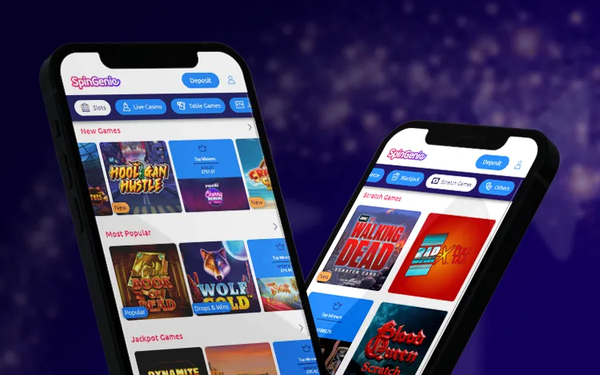
The mobile lobby should help users decide quickly. Some players know what they want and search right away. Others browse by mood, pace, or stake level. In both cases, filters, recent activity, and saved favorites matter more than decorative banners because every extra swipe on a phone feels longer than it should.
A well-organized library also signals quality. Stable thumbnails, readable category labels, and predictable navigation make the whole platform feel maintained. If sections keep resetting or the search feels slow, the session starts to feel messy even before a game opens.
Imagine checking the platform during a short lunch break. Usually players do not want to browse everything. They want recent titles, practical filters, and a quick way back to familiar choices.
Payments, Cashier Logic, And Everyday Use

The cashier is where convenience becomes real. On mobile, payment pages should be easy to reach, easy to read, and clear about what happens next. Players want to understand the method, review the amount, and see what status will appear after confirmation. That clarity matters because touch screens make rushed taps more likely.
The best payment flow slows the player down at the right moment. It shows the full summary before approval, keeps the back button visible, and places transaction history close enough to review later. A useful cashier does not pressure the next action. It explains it.
If you are making a first deposit while answering messages at the same time, these details matter even more. Usually players feel safer when the payment path is simple, readable, and easy to retrace.
Cashier Task | What Players Usually Check | Why It Helps |
|---|---|---|
First deposit | Minimum amount, confirmation steps, supported method | Reduces avoidable mistakes |
Repeat deposit | Saved flow, visible limits, fast review page | Makes short sessions smoother |
Withdrawal request | Current status, account checks, method match | Adds clarity before funds move |
Transaction history | Date, amount, pending or completed tag | Helps track activity quickly |
Budget controls | Daily, weekly, or monthly caps | Supports better routine management |
Help access | Direct path to assistance from the cashier area | Useful when a payment stalls |
What A First Deposit Usually Looks Like
Careful players often start small because the first payment is a test of usability as much as funding. They want to see whether the cashier loads properly, whether the summary is readable, and whether the account records the action clearly. That first step tells a lot about how the platform handles ordinary use.
Imagine setting a weekly budget first and then adding a modest amount. Usually that approach gives a clearer picture of the product than rushing in with a larger payment and hoping the process feels intuitive.
How Withdrawals Feel When The Process Is Clear
Payout requests shape trust more than almost anything else. Players do not expect instant miracles. They expect clarity. They want to know where the request appears, whether it is pending, and what the next step may be if additional checks apply.
When the account page shows that information plainly, stress drops fast. If you request a cash-out in the evening and check again in the morning, you usually want one thing first: a simple status line and a clear path to help if something looks unusual.
Responsible Play Tools For Legal-Age Users In Canada
Mobile access is convenient because the platform is always close. The risk is just as obvious: a short visit can become a long one without much notice. That is why time reminders, spending caps, cooling-off options, and self-exclusion tools matter so much on phones. They keep the experience deliberate instead of automatic.
These controls should be easy to find from the account area and cashier, not buried in a forgotten menu. Good design treats them as part of normal use. Imagine checking the platform several times during a stressful week. Usually the most useful feature in that moment is not another promotion, but a quick path to pause, lower a limit, or step away.
Timeouts, Budget Caps, And Taking A Break
A control is only useful when the player understands it. What changes immediately? What takes time to apply? When does access return after a break? Clear answers matter because vague labels create hesitation and people ignore tools they do not fully trust.
Many users think these settings are only for severe situations, but that is not how they work in daily life. A short timeout after a long shift or a smaller weekly cap during an expensive month can make entertainment feel much easier to manage. Usually players benefit more from setting a firm pause than from trying to rely on mood alone.
Support, Trust, And Routine In 2026
Support begins before a player sends a message. A good help area explains common issues in plain language: password recovery, payment questions, account access, and limit settings. On mobile, navigation matters as much as the answer itself because people often look for help while already annoyed or distracted.
Trust also grows through small practical signs. Can you reach assistance from the account page? Can you review recent transactions before contacting anyone? Can you understand what happened without reading five screens of text? These details make the product feel stable.
Picture a balance update that does not look right for a moment. Usually players refresh, check history, and then look for help. Platforms that support that sequence feel much more dependable than ones that force guesswork.
Reading Feedback Without Copying Other People
Public comments can be useful when read carefully. One angry post after a bad session and one glowing reaction after a lucky evening both tell only part of the story. What matters is the pattern. Are people talking about clarity, support, and payment flow, or are they reacting to emotion in the moment?
A smart approach is to treat outside feedback as a checklist, not as proof. Test the basics yourself through a calm first session. Usually a modest deposit, a look at the cashier, and a quick review of the control tools reveal more than copying somebody else’s conclusion.

Building A Better Mobile Habit
The best mobile routine is not about playing more often. It is about playing more deliberately. Open the account area first, know where limits sit, understand the cashier, and decide why you are logging in before the session starts. These simple habits prevent most avoidable frustration.
It also helps to think in phases. First explore the structure. Then browse the lobby with purpose. Then review payment options and control settings. Imagine opening the platform after a long day when focus is already low. Usually the better choice is to set a boundary, keep the visit short, and log out once the reason for the session has been met.
For adults in Canada in 2026, the strongest mobile experience is rarely the loudest one. It is the one that stays readable, stable, and manageable from first sign-in to final logout.